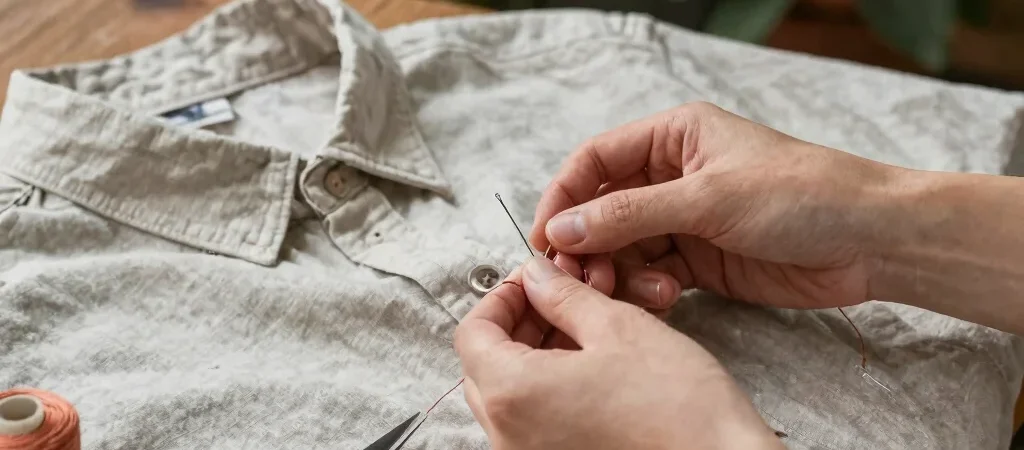
The first time you mend a button should not have to be five minutes before leaving the house. Practicing ordinary tasks while the stakes are low builds competence in a way that hurried searching rarely does—and it can make daily life feel a little less dependent on perfect timing.
Pick a Skill You Will Use
Choose something tied to a real need in your week: cooking a few dependable meals, sewing on a button, checking tire pressure, or organizing a secure backup of important files. A skill is easier to keep when it solves a problem you actually encounter, rather than becoming another ambitious project on a long list.
Practice With Low Stakes
Set aside a short, unhurried window and gather only what the task requires. Follow a reliable guide, pause when a step is unclear, and notice what you would do differently next time. For work involving safety, electrical systems, or other serious risks, learning when to call a qualified professional is part of being capable.
Keep What Makes It Easier
Afterward, write down the one detail you are likely to forget: the tool that helped, the setting that worked, or the step that caused trouble. If you use a video or consider a tool recommended through an affiliate partner link, check whether the guidance suits your situation and look for a clear note that the publisher may earn a commission.
You do not need a shelf full of equipment to begin. Choose one practical skill, practice it once this week, and keep the notes that will make the next attempt easier.